• About the Author
  • About the Author
  • Book Trailers
  • City of Lights: The Trials and Triumphs of Ilyse Charpentier
  • Contact
  • Corcitura
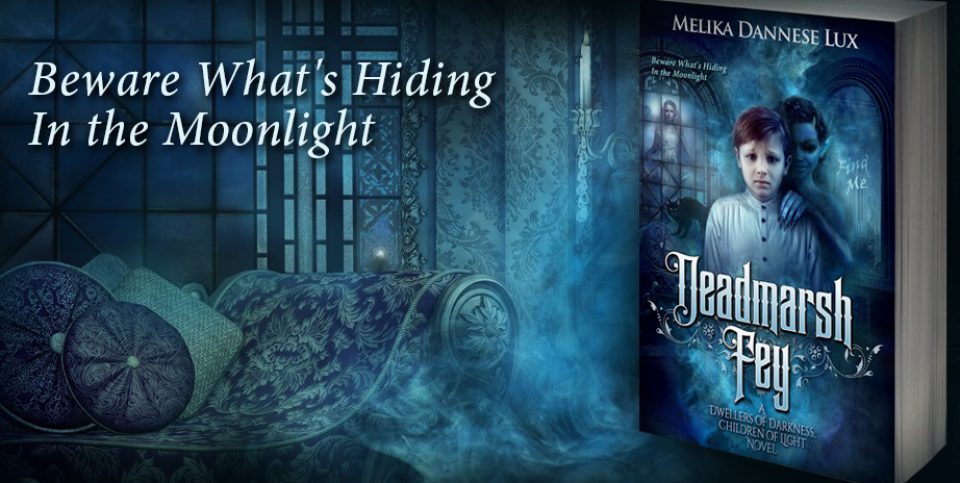
  • Deadmarsh Fey
  • Reviews & Critical Praise: City of Lights
  • Vocal Performance

Books In My Belfry

~ A Writer's Life For Me

Books In My Belfry

Category Archives: Fun Stuff

Enter for a chance to win a signed copy of City of Lights: The Trials and Triumphs of Ilyse Charpentier!

04 Monday Mar 2013

Posted by Melika Dannese Hick in Fun Stuff, News

≈ Leave a comment

Tags

1894, 19th century, 2013, April 2013, April 8-12, Blog Tour, brothers and sisters, cabaret, Cabarets, City of Lights, Count Sergei Rakmanovich, divas, family saga, Fin de siècle, France, giveaway, Goodreads, historical fiction, Historical Fiction Virtual Blog Tour, Ian McCarthy, Ilyse Charpentier, Manon Larue, Maurice Charpentier, Melika Dannese Lux, novel, Paris, romance, secrets, shattered innocence, siblings, signed copy, singers, the Paris stage, true love, Virtual Blog Tour, writing

To coincide with the April 2013 Historical Fiction Virtual Blog Tour for City of Lights: The Trials and Triumphs of Ilyse Charpentier, a signed copy of the novel is up for grabs starting today! Enter by April 8, 2013, for a chance to win, then join me for all the fun and excitement as City of Lights tours the blogosphere.

Goodreads Book Giveaway

City of Lights by Melika Dannese Lux

City of Lights

by Melika Dannese Lux

Giveaway ends April 08, 2013.

See the giveaway details
at Goodreads.

Enter to win

Check back in the coming weeks for more details about the tour.

Best wishes! 😀

Melika

Share this:

  • Click to share on X (Opens in new window) X
  • Click to share on Facebook (Opens in new window) Facebook
  • Click to email a link to a friend (Opens in new window) Email
  • Click to share on Pinterest (Opens in new window) Pinterest
  • Click to print (Opens in new window) Print
  • Click to share on LinkedIn (Opens in new window) LinkedIn
  • Click to share on Pocket (Opens in new window) Pocket
  • Click to share on Reddit (Opens in new window) Reddit
  • Click to share on Tumblr (Opens in new window) Tumblr
Like Loading...

Corcitura Excerpt #3: The Vrykolakas Attacks

11 Monday Feb 2013

Posted by Melika Dannese Hick in Excerpts, Fun Stuff

≈ Leave a comment

Tags

Acropolis, attack, barbed, barbed tongue, barbs, bear, beast, berserk, best friend, blood, bloodlust, brothers, corcitura, courage, cowl, darkness, defiance, den of iniquity, engorged, Eric Bradburry, Excerpt, foul, gouges, Greece, haunter, hiss, hovel, Lazarus, matches, maw, Melika Dannese Lux, mocking devil, monsters, my brother, red-rimmed eyes, screech, shadows, shards, snake, sores, Sorina Boroi, Stefan Belododia, Stefan Ratliff, The Haunter of Darkness, vampire attack, Vladec, Vladec Salei, Vrykolakas, wax, writing, yowl, Zigmund

Taken from Corcitura, Chapter 6, The Haunter of Darkness

       The flames near the Acropolis had died. I cocked an ear, but didn’t have to strain this time, for there were no longer any revelers at the top of that hill. Stefan must surely be back by now, unless Sorina Boroi had spirited him off to yet another den of iniquity.
       I retrieved my key from my pocket and slid it into the lock. When I tried to push against the door, it held fast. “Stefan,” I called out. “Stefan, are you there?” I asked a minute later. Still, there was no answer.
       I shouldered my weight against the door again. Nothing. It had been jammed.
       I was ready to try the hole that served for a window at the back of the hovel, when I heard a sound coming from within—a low sibilant sound, like the hiss of a snake…a very large snake.
       Stefan was in there with that snake. A boa constrictor, an anaconda—whatever other foul kind of snake that was indigenous to Greece could have been in there strangling the life out of him.
       I jangled the lock, making a terrific noise that surely must have caught its attention—drawn it away from Stefan and turned it toward me. But nothing happened.
       Then I heard the sound again. This time it was different, more defined, almost human—a low, rasping voice, sounding as though it were struggling to speak, as though its vocal chords had been damaged and it couldn’t talk above a whisper.
       I tried to swallow. My mouth felt as though it was full of sand. I pressed my ear against the door and heard the voice hiss a name…Zigmund.
       A gurgling sound snaked through the wood beneath my fingers. My hands clenched, causing splinters to embed in my skin. I could care less about the pain. My only thought was that this couldn’t be happening.
       Snakes could not laugh.
       Stefan was in there with that horror, that gurgling horror, whatever it was.
       I threw my weight against the door and it gave way. The blackness disoriented me; the room was so dark, I couldn’t see a foot in front of my face. Not even the moonlight pierced through the window on the other side of the room.
       I took a step forward. My foot knocked against something on the floor—something that gave off a low moan. Startled, I sprang back, colliding with the overturned crate that served as a night table. The din that erupted was enough to wake the entire village. I slid to the floor, trying to conceal myself behind the crate, but the creature either did not hear the noise or was too busy to care.
       I reached up my trembling hand until my fingers closed around the neck of the oil lamp resting on the crate beside the bed. Slowly, carefully, I settled the lamp next to me, then reached up once more in search of the matches.
       There were none.
       Lovely. They had been there that afternoon. Where the devil had they gone? I was ready to give up, but then I realized they might have been knocked to the floor. When I stretched out my hand, one of the matches snapped beneath the weight of my probing fingers.
       The snuffling above me ceased at once. My arm remained stretched out. If I tried to move, the rustling of my clothes would give me away. This was an entirely new problem. The thing seemed not to care about loud sounds, but make the tiniest of noises and it would go berserk.
       I could hear it moving…coming closer…leaning down from its perch on Stefan’s bed. Stefan’s bed! He couldn’t still be in it? The thing on the floor…no, that was definitely not Stefan.
       A gust of hot air was expelled against my arm. I had to bite my lip to keep from choking. The stench of the thing’s breath was unbearable—like the dead earth of centuries-old graves.
       There was no wind that night, but something was ruffling my hair. Oh, yes, that’s wonderful, I thought. The thing was sniffing inches above my head, but the room was too dark for me to discern anything. Why hadn’t it attacked me yet? Was it blind? The thought gave me courage, for if it was, I had an advantage, though the thing sounded as big as a bear.
       I slouched lower and drew my knees to my chest, trying to tighten myself into a ball. The match was between my fingers. I drew my arm in as slowly as I could. For some reason, the thing jerked away at that moment and went back to its incessant hissing, cooing over whatever it had trapped beneath itself in the bed.
       I didn’t know what I hoped to accomplish by lighting the lamp. I suppose I was counting on the thing being scared of light. Whatever happened, I had to know what was there, no matter what, yet to strike the match and light the lamp before being seen was surely impossible. I had no weapon, save the lamp, which I already planned to hurl at the thing if the situation turned desperate. But what good would that do? Stun it for an instant, during which I would have to run like mad to escape before the thing realized it should be giving chase? Ridiculous.
       As if it had read my thoughts, the thing began to laugh low in its throat.
       That decided me. This mocking devil would be unmasked now. No more waiting, no more fear.
       I struck the match, threw it inside the lamp, then wrenched the turner up as far as it would go and leaped to my feet.
       The light blazed forth so strongly I was blinded for a moment. I lowered the lamp to lessen the glare, and that’s when I saw what I was up against for the first time.
       It had started to screech—a terrible, high-pitched yowl—yet I was too petrified to run and could do nothing but stare at it in horror. It must have been a man at one time, but now it was plague-ravaged beyond distinction. Although it was still screeching, its tongue seemed to have a life of its own. The barbs encircling the tongue lashed against the thing’s face with each jerky movement—puncturing holes in its cheeks from which blood dripped forth. I swallowed hard to keep the bile from rising in my throat, but still I could not turn away.
       Sores split the death white skin of its face. There was a bulge underneath the cloak where its stomach should have been, a bulge that was much too large. This was not fat. The thing was engorged and had most probably just fed—on whom, I did not even want to venture a guess.
       Red-rimmed eyes stared out from that pale mask that looked more like a skull than a face. The cowl of its cloak had fallen back to reveal a baldpate with more of the same oozing gouges. They weren’t as fresh as the ones on its face; something must have stabbed it in defense during an attack some weeks ago. But from the way the tongue lashed and whipped about, I suspected that the creature, in a moment of desperation, must have been driven mad by its own bloodlust and inflicted the wounds on itself.
       I swung the lamp toward the creature’s face; it screeched and reeled backward, tumbling off the bed.
       And that’s when I heard Stefan groan. He had been on the bed…being crushed to death underneath the monster’s weight.
       Madness and terror took hold. I threw the lamp at the thing’s head. There was a burst of flames and a horrid scream as the lamp shattered against the creature’s face. Shards of glass imbedded in its head, its flesh hanging in strands. A huge piece of the glass protruded from its cheek, which was bubbling underneath the flames like melting wax. Nothing could have survived those injuries. The thing would surely collapse in a dead heap, but all my assumptions were wrong tonight. The beast yanked the shard from its cheek, and its skin began to change.
       The flames flickered then disappeared, seemingly sucked into the creature’s face. A ripple broke out underneath the ravaged surface…and then the skin stretched until it had grown taut over the wound. I blinked in disbelief, for the cheek had been restored—becoming as smooth as if there had never been an injury. The horror of this transformation was too great for me to fathom. Why should the self-inflicted gouges remain, yet the cheek I had nearly burnt off heal at will?
       I now had nothing left with which to defend myself. If the thing wanted me, it would get me. But I wasn’t going to let it attack Stefan again. If it wanted him, it would have to take us both. I balled up my fists and advanced.
       I don’t know if it was because it had used up all its strength to heal itself, or because it actually was as terrified of me as I was of it, but all the fight seemed to go out of the creature the moment I took that first step toward it.
       The barbed tongue shot out of its open maw. Was this a prelude to attack or one last show of bravado? The creature’s eyes darted to the right. Salvation was only a few feet away. I couldn’t cut it off from the opening in the wall, and the creature knew it. In one wild leap, the beast yanked the cowl down over its head and thrust itself through the window.
       I heard it screeching long after it had loped off. I had already wasted enough time worrying over something that I’d never, hopefully, encounter again. My concern was all for Stefan now.
       I leaned over him and tore open what was left of his shirt. Large, purple blotches bruised his torso. A thin red gash ran down the middle of his chest. On closer inspection, I saw that it was thankfully only a surface scratch. But still…
       I reached for his wrist, feeling for a pulse, but there was none. He couldn’t be gone. I refused to believe it.
       I looked around for something with which to revive him—water, sal volatile, spirits, anything—but there was nothing in this blasted hovel.
        “Stefan, Stefan!” I shouted, shaking him by the shoulders. “Wake up! You are not dead, do you hear me?! You are not dead!” I slapped him. Nothing I did produced any signs of life in him. Hot tears burned my eyes, but I refused to give in. Not yet. Not now, even though I knew the battle had been lost and my best friend was gone.
       I pounded his chest, trying to revive his heart, but that didn’t work either. My hands shook uncontrollably as I tried to lift his body. What was I hoping to do, raise Lazarus from the dead?
       I’d come too late.
       I released my grasp and let him slump down upon the pillow.
       He couldn’t be gone. He wasn’t supposed to die, not like this at any rate. How could he go now before we had even had a chance to really live? I shuddered, for wasn’t that what had caused all our trouble? Our desire to live? To forsake all caution and strike out on our own? I choked on the sob in my throat. Now my brother was dead…what good was freedom if it got you killed?
       I felt nauseous. My reason was slipping away. I couldn’t lose control now, yet what need had I to keep up the pretense any longer?
       I was alone.
       I turned away from the lifeless body of my best friend and buried my face in my hands.
       Tears had been blurring my vision and streaming through my fingers for what seemed like an hour before I heard the sound. I thought the creature had come back, but then I heard him gasp and felt his hand latch onto my arm.
        “Eric…”
       Stefan was alive! I was so relieved, I didn’t consider how drained of energy he was and crushed him in an embrace that would have snuffed out the rest of his life had I not realized what I was doing and released him before more damage was done.
        “What happened? What the devil was that thing?”
        “I have no idea,” he said, barely above a whisper. “We had come back from the revel at the hill and had just entered when there was a knock at the door. Of course, we didn’t know who it could be, so we did not answer. Then there was another knock and a voice…a voice…” he faltered and broke off.
        “Go on,” I coaxed.
        “A voice, Eric, too horrible to describe…a voice that hissed ‘Zigmund’ over and over again. ‘Zigmund,’ ‘Zigmund,’ always that dreadful name. Sorina wanted to fetch Vladec, but there was no time. We bolted the door…it was already too late. It knew we were inside. The window…we forgot the window…I tried to fend it off, but it knocked me unconscious, and Sorina…Sorina…God, Eric, where is she?!”
       He bolted upright in bed, but immediately collapsed for lack of strength. It was at this time that I noticed a trickle of blood near my foot. A rivulet, streaming down a hill. The hovel was on an incline. Why had I not noticed this before?
       I struck a match and lit the lamp on the opposite side of Stefan’s bed. Light flashed into the gloom. My eyes followed the stream of blood, the light in my hand revealing all.
       I nearly retched when I saw what the shadows had kept hidden.

©2010, 2013 Melika Dannese Lux and Books In My Belfry, LLC. Unauthorized use or reproduction of this excerpt without the author’s permission is strictly prohibited.

Share this:

  • Click to share on X (Opens in new window) X
  • Click to share on Facebook (Opens in new window) Facebook
  • Click to email a link to a friend (Opens in new window) Email
  • Click to share on Pinterest (Opens in new window) Pinterest
  • Click to print (Opens in new window) Print
  • Click to share on LinkedIn (Opens in new window) LinkedIn
  • Click to share on Pocket (Opens in new window) Pocket
  • Click to share on Reddit (Opens in new window) Reddit
  • Click to share on Tumblr (Opens in new window) Tumblr
Like Loading...

Why should I read City of Lights?

30 Wednesday Jan 2013

Posted by Melika Dannese Hick in Fun Stuff

≈ Leave a comment

Tags

backstage, brothers and sisters, cabaret, Cabarets, captive muse, choices, City of Lights, city of lights: the trials and triumphs of ilyse charpentier, clash of cultures, Count Sergei Rakmanovich, dance hall, decisions, defiance, divas, enchantment, family, family saga, France, French, French wine, Germany, gilded cage, glamour, glitz, greasepaint, Guinness, happiness, Ian McCarthy, Ilyse Charpentier, La Perle de Paris, life and death, Love, Manon Larue, Melika Dannese Lux, Munich, Music, Paris, Parisian, patron, romance, sacrifice, siblings, true love, Vasily Markolovick, wine, writing

Journey back in time to fin de siècle Paris, those heady days when dancehall divas captured everyone’s imagination. Glitz and glamour dripped from every corner of these clubs and their clientele, but backstage, the reality was entirely different. When the greasepaint came off, there was nothing but emptiness and the oppressive, ever present patrons who stifled your very essence, micromanaging your every move—choosing what you wore, whom you associated with, and even if you should associate with anyone at all. This is the world of Ilyse Charpentier, and after five years, she has grown tired of living a lie. She has fame, glory on the stage, but something she has always yearned for is missing: love.

And then one night, she meets her soul mate, Ian McCarthy, and experiences the giddiness of first love—the carefree euphoria, the “there is nothing in the world but you and I” freedom. This is different, this is real, and Ilyse is prepared to fight to claim what she has been denied for so long. But in her bliss, she has forgotten one thing. Casting aside a patron like Count Sergei Rakmanovich is not as easy as she first assumes. After all, this is the man with a boundless desire to control the lives of others, the man who went so far as to bestow a new identity on Ilyse to make her more appealing to the Parisian populace. At this point, the idea that City of Lights is simply a romance ceases, for giving up a life of privilege as the count’s captive muse has now become far more serious and consequential than Ilyse could have ever imagined, especially when the one thing she holds more precious than her own life becomes a pawn in the Count’s sadistic game: her estranged brother and only living relative, Maurice.

But although the struggles in this story are titanic and seemingly insurmountable, there must be laughter, which is provided by many characters, but most noticeably by Ian, for how can there not be mirth in a novel where an Englishman comes to Paris and falls in love with a French girl? Not only do we have the intrigue provided by the intertwined destinies of Ilyse, Maurice, Ian, and the Count, but we also have the clash of cultures as Ian tries to adjust to expatriate life in France. The battle is launched almost immediately during a very heated argument with a nationalistic French waiter over the merits of Guinness versus the vaunted wine of France—Ian’s foreign ignorance being, to the waiter, tantamount to a guillotining offence. This thread continues throughout the novel and serves to lighten the mood by offering moments of laughter and glimmers of hope to Ilyse for the future she and Ian might share, if only she is willing to grasp for it.

From the glittering palace of music and enchantment where Ilyse reigns supreme, to a fogbound train station in Munich, Germany, where only death awaits, you are taken on a whirlwind ride through the life of this young girl whose only wish was to believe that the City of Lights would hold some magic and romance for her, too. Yet although this is Ilyse’s story, everyone in her orbit is vitally important to bringing this saga to a close: ever faithful Manon, her best friend and confidante, whose bubbly exterior masks deep scars from her own ordeal at the hands of the count years before; Count Sergei Rakmanovich, the “cause of it all,” who will stop at nothing, not even murder, to have Ilyse for himself—as if controlling her every move for the past five years weren’t enough; Vasily Markolovick, Sergei’s lackey, who has always carried out his precious master’s wishes, until now; Maurice, too selfish to see his sister’s anguish, too stubborn to understand that he has abandoned her when she needs him most; Ian McCarthy, passionately in love with Ilyse and wildly different from anyone in her stifling world, a man for whom she would willingly flee the gilded cage.

And lastly, there is Ilyse, who is faced with an earth-shattering decision. Her choice will decide who lives and who dies. After being enslaved for so long, can she really give up her one chance at happiness to save the brother who loathes her?

Would you?

Share this:

  • Click to share on X (Opens in new window) X
  • Click to share on Facebook (Opens in new window) Facebook
  • Click to email a link to a friend (Opens in new window) Email
  • Click to share on Pinterest (Opens in new window) Pinterest
  • Click to print (Opens in new window) Print
  • Click to share on LinkedIn (Opens in new window) LinkedIn
  • Click to share on Pocket (Opens in new window) Pocket
  • Click to share on Reddit (Opens in new window) Reddit
  • Click to share on Tumblr (Opens in new window) Tumblr
Like Loading...

Vocal Performance

08 Tuesday Jan 2013

Posted by Melika Dannese Hick in Fun Stuff

≈ Leave a comment

Tags

2012, Alvarez, aria, classically trained, deh vieni non tardar, Faust, Franz Schubert, Germany, Giacomo Puccini, Gianni Schicchi, Gretchen am Spinnrade, Italy, Johann Wolfgang von Goethe, La Partida, Le Nozze di Figaro, Melika Dannese Lux, Music, O Mio Babbino Caro, opera, singing, soprano, Spain, Susanna, The Marriage of Figaro, Wolfgang Amadeus Mozart

I am a classically trained soprano. Below are four numbers I performed at a 2012 concert. I hope you enjoy them! 😀

Deh Vieni Non Tardar

Deh Vieni Non Tardar

Deh Vieni Non Tardar


Gretchen am Spinnrade

Gretchen am Spinnrade

Gretchen am Spinnrade


O Mio Babbino Caro

O Mio Babbino Caro

O Mio Babbino Caro


La Partida (My favorite! :D)

La Partida

La Partida

Share this:

  • Click to share on X (Opens in new window) X
  • Click to share on Facebook (Opens in new window) Facebook
  • Click to email a link to a friend (Opens in new window) Email
  • Click to share on Pinterest (Opens in new window) Pinterest
  • Click to print (Opens in new window) Print
  • Click to share on LinkedIn (Opens in new window) LinkedIn
  • Click to share on Pocket (Opens in new window) Pocket
  • Click to share on Reddit (Opens in new window) Reddit
  • Click to share on Tumblr (Opens in new window) Tumblr
Like Loading...

City of Lights Excerpt: Diva in the Wings

04 Friday Jan 2013

Posted by Melika Dannese Hick in Excerpts, Fun Stuff

≈ Leave a comment

Tags

1894, Cabarets, city of lights: the trials and triumphs of ilyse charpentier, Dancing, Excerpt, Fin de siècle, France, Friendship, Ilyse Charpentier, Manon Larue, Melika Dannese Lux, Paris, singers, writing

(For future reference, this excerpt will be permanently housed under its corresponding tab.)

Taken from City of Lights: The Trials and Triumphs of Ilyse Charpentier, Chapter 1, A Chance Meeting

       The balmy night air of August had served to fill the halls of La Perle de Paris to capacity once again. Not a seat was unoccupied, save one quiet table in a secluded, unlit corner of the club—a table that was always reserved. The chants had commenced long ago, a gradual build from a quiet murmur to a dull roar—“Coquette, Coquette, Vive la Coquette!” The raucous mob wanted their star, and in a moment, their hunger would be satisfied.
        “Ten minutes, everyone!” a burly man bellowed, pushing his way through a mass of tulle and silk. He made his way down the backstage corridor until he came upon a solitary girl stealing a peek through the Tyrian purple-hued curtains.
        “Ten minutes, Ilyse, get ready!” he ordered.
        “Yes, Giverne,” she returned, smiling, and watched as he huffed down the hall. In a moment, her olive-brown eyes were once again fixed upon the throng, and she resumed rehearsing her lines. “City of Lights, Paree, do you see?” she sang, “I am the Diva on the stage. Hope—” But her soft chanting was suddenly interrupted by a wild flurry running down the corridor. In an instant, the commotion materialized into a profusion of blonde tendrils, which framed a pleasant round face and a pair of large, over-bright blue eyes.
        “You’re late, Manon,” Ilyse said, trying to sound reproachful as she addressed the frazzled young woman.
       The girl panted stertorously while she tried to straighten her costume and smooth her unruly curls. “Well, you know how it is. Wardrobe problems.”
        “Yes,” Ilyse answered, a knowing smirk playing about the corners of her mouth. “I know exactly how it is … too much chocolat, no?”
       Manon stopped her primping and looked up at her dearest friend. “I can’t help it if I have a sweet tooth!” she blurted out. “Now stop all this nonsense and fasten me up, will you?”
        “Oh, very well,” Ilyse laughed, and abandoned her post to come to her disheveled friend’s rescue. “Now, hold it in.”
        “I can’t,” Manon squeaked.
        “Well, that’s because you’re not wearing your corset.”
        “Never!” Manon retorted as if someone had just accused her of killing Marat. “I can’t wear that monstrous thing. It crushes me terribly. And what’s more, I can’t even breathe with it on.”
        “No one ever said beauty was painless, darling,” Ilyse said, not having any luck in her struggle to hook the fasteners on Manon’s dress.
        “Well, this beauty will go without!”
        “Then it’s hopeless.” Ilyse sighed and released her hold on Manon’s costume. “You’ll have to play ‘Sourd et Muet’ tonight.”
        “Ah, ma foi, such is my fate.”
       For a time, silence reigned, each girl fighting not to be the first to laugh. Finally, as always, Ilyse was the first to break. “Oh, stop playing the martyr, you ridiculous fool!”
       Manon made a lavish bow and struck a theatrical pose. “Don’t you think we should use that in the act?” she suggested, her large cerulean eyes widening expectantly.
        “Oh, most definitely,” Ilyse acquiesced, still laughing. “If only we can get Giverne’s permission.”
        “Forget it, then. Now, enough about Giverne. Is my Marquis out there?”
       Before Ilyse had time to stop her, Manon had pulled back the curtain and poked her head into the hall. “Oh, I see him, the darling,” she cooed, spying her Marquis and flailing her bejeweled hand through the air in a gesture that was meant to be a wave but never amounted to more than a flash of rubies and emeralds.
        “Don’t wave at him, you fool!” Ilyse whispered, and just as she said this, the glare of the candlelit hall vanished and Manon found herself staring at a suffocating wall of purple velvet and her friend’s less-than-pleased face. “Discretion, Manon,” Ilyse reminded, fighting to repress the smile that was threatening to destroy her facade of seriousness, “discretion. We are not to be seen or heard until our grand entrance. How do you expect to keep the Marquis interested?”
        “I suppose that’s true,” Manon agreed. “But I couldn’t help taking just one peek.” Ilyse smiled at her impish friend and noticed that Manon’s irrepressible dimples had appeared—a certain sign of trouble. Whenever those two little indentations arose, Ilyse knew she had to do something to damp Manon’s mischief or there was no telling what social atrocity, however hysterical it might seem in hindsight—and there had been many—her friend might commit.
        “If you’re so interested in peeking, my little sprite, then I have a wonderful surprise for you.”
        “I love surprises!” Manon answered with glee.
        “You’re going to adore this one. Now, if you really want to peek, you must do it like so.” Ilyse took hold of Manon’s hand and drew back a corner of the curtain so that only a sliver of light shone through. “Look who’s here.”
        “Where, where?!” Manon squealed, her eyes roving over the crowded room.
        “Why, there in the back. If it isn’t Gaspard and his troupe of provincial darlings! Oh, what fun it will be for you to dance with them. And look! That fat one in the front has seen you! Oh, wave, Manon, wave and show him your smile! Make that Marquis of yours insanely jealous!” Ilyse uttered a musical little fake-laugh and gave Manon a playful shove.
       Manon let the curtain fall from her grasp as though it had singed her fingers and stared at Ilyse. “I find your humor lacking, Ilyse” Manon said sourly. “The last time I danced with Gaspard’s band of ruffians I couldn’t walk for a week and my feet will never forgive you for pushing me into that rustic’s arms!”
        “Oh, come now, Manon,” Ilyse laughed, “It’s my job to liven things up a bit, too. I can’t let you and your dimples have all the fun.”
        “All right, all right,” Manon said, rising to the challenge, “Well, I saw my Marquis, and I saw Gaspard and his bumpkins, God save my feet, but I didn’t see him.”
       The instant Ilyse heard this word, all her previous mirth vanished and a terrible mix of anger and fear roiled within her. “Sergei?”
        “No…No,” Manon stumbled. “Not him, never him. I meant your ‘one true love,’ of course.”
       Ilyse’s brow relaxed and her lips curled into a faint smile as she remembered the little secret she and Manon shared.
        “Oh, Manon, for the five years we have known one another, you’ve never missed an opportunity of showing me how hopelessly naïve I actually am. Well, who’s to say he’s not out there? What harm is there in hoping, however futile the hope may be? This nightly ritual is my escape. Don’t begrudge me this little reprieve.”
       Manon, usually so effervescent, seemed crushed by her dearest friend’s accusations and blushed with shame. “Ilyse, I’m sorry. I wasn’t thinking. I never meant to make light of your feelings. Don’t hold it against me, ma soeur, don’t.”
       Regardless of what had passed, Ilyse was incapable of holding a grudge against her confidant and only friend. “I know you meant no harm, Manon. Forgive me for acting so maudlin, it’s just that I feel as though I can’t keep up this charade much longer. If I didn’t have you to make me laugh and be my one light in this darkness, I don’t know how I could’ve survived all these years. He torments me by day with his ceaseless advances, and at night, even while I’m onstage, he finds a way to invade my peace. He’s always there, waiting for me to give in. But I swear I won’t. I don’t fear him as I did before. My fear has been overtaken by anger and turned to defiance. I hate him, Manon. It sickens my heart terribly.” Ilyse lifted her eyes and saw Manon standing motionless, lost in thought. Though she didn’t say a word, Ilyse knew exactly what was racing through Manon’s mind, for she had heard it all before—the painful memories of the past that bore uncanny similarities to the existence Ilyse had described. But in Manon’s circumstances, unspeakable terror had never allowed defiance to surface. She had been an impressionable young girl, dreaming of stardom, allowing him to lead her down a path from which there could be no return. He had robbed her of her fortune, although he was richer than all the kings of Europe combined, and destroyed everything she held dear. She refused his advances, and when she tried to escape, he committed a crime so drastic that she was forced to keep silent or die. Luc Dagenais had been her one true love, and the innocent Provencal had been murdered simply because he had given her his heart—an unpardonable offense in the eyes of her jealous patron. And so the years passed, and Manon fell out of favor, replaced by Gervaise, Collette, Brigitte, and finally Ilyse, who had become his most favorite of all. She had stayed for her dearest friend, and also because La Perle offered her the only respectable means of survival—a cabaret where she could earn a decent living without selling her soul to the devil himself. So was the fate of Manon Larue.
       And Ilyse knew the vicious cycle would continue until she herself put a stop to it. But those were thoughts for another moment, for the public would not be kept waiting. The crowd was restless. Violent invectives were being hurled, if the mob were not satisfied, chaos would break loose. The star’s time had come.
       Giverne blustered through the line of dancing girls, nearly stampeded Manon into oblivion, and snatched Ilyse by the arm. “You, now,” he boomed, “get onstage!!!” And before she had time to blink, he had already begun to raise the curtain.
        “Bonne chance, Ilyse!” Manon squealed, but her voice was drowned by the crowd’s rabid cries.
       La Petite Coquette had arrived!

©2005, 2013 Melika Dannese Lux and Books In My Belfry, LLC. Unauthorized use or reproduction of this excerpt without the author’s permission is strictly prohibited.

Share this:

  • Click to share on X (Opens in new window) X
  • Click to share on Facebook (Opens in new window) Facebook
  • Click to email a link to a friend (Opens in new window) Email
  • Click to share on Pinterest (Opens in new window) Pinterest
  • Click to print (Opens in new window) Print
  • Click to share on LinkedIn (Opens in new window) LinkedIn
  • Click to share on Pocket (Opens in new window) Pocket
  • Click to share on Reddit (Opens in new window) Reddit
  • Click to share on Tumblr (Opens in new window) Tumblr
Like Loading...

Corcitura Excerpt #2: Nightmare

19 Wednesday Dec 2012

Posted by Melika Dannese Hick in Excerpts, Fun Stuff

≈ Leave a comment

Tags

corcitura, Eric Bradburry, Excerpt, Fuseli, Louvre, Melika Dannese Lux, Paris, sneak peek, Stefan Ratliff, The Nightmare, vampires, Vladec Salei, Vrykolakas, werewolves, writing

Taken from Corcitura, Chapter 4, Hello, Good-bye…Hello

(For future reference, this excerpt will be permanently housed under its corresponding tab.)

       “The Winged Victory of Samothrace, or Nike, as she is known, came to the Louvre in 1884.”
       We were standing at the Daru staircase underneath the giant headless, armless stone statue of the winged maiden of the Aegean. I had latched onto an English-speaking tour and seen all the great spectacles of the Louvre in the interim, but now the time was ripe for me to escape in search of Stefan. It was a quarter past noon already, and still he had not shown himself.
       I hung back as the tour moved on. Once they were out of sight, I hastened away and made for the Melpomene Gallery, taking a cursory glance at the giant statue of the hall’s namesake on my right as I passed by. I had thought Nike was gigantic, but this muse made her seem almost Lilliputian in size. Apparently, all Louvre statues were enormous. It must have been a prerequisite.
       I walked down this gallery and came out into the Salle des Caryatides. As I moved into the hall, I caught sight of my erstwhile companion, thankfully Boroi-less, staring at a large canvas that had been propped up in the center of the salle. I thought it odd that a painting would be on display in a hall filled with statues, but I didn’t let the incongruity of the situation trouble me for more than a second.
       “There you are! I’ve been looking everywhere for you. Where have you been?”
       I was expecting to receive a response and would have been happy with one of his sarcastic remarks, but he acted as though I did not exist. Very well, then. I decided to give it another go. “Been walking the same halls as the Kings of France and that great poisoner herself, Catherine de Medici, have you?” I was beginning to sound like Luc.
       Still nothing. He just stood there, head tilted to one side, his hand on his chin, absorbed by the painting before him. It had taken me forever to finally locate Stefan, and this was all the response I received? Not even so much as a flicker of an eyelid. Now we would have to rush out to the entrance to meet Vladec Salei, whom I hoped by some miracle was still waiting for us. My plans were crumbling before my eyes. And did he care? Absolutely not. He was as still and lifeless as the statues surrounding him. “Honestly, Stefan,” I said hotly, “what’s so bloody fascin…”
       I stopped dead when my eyes finally flashed toward the painting. I hadn’t bothered to look at it until then, but now as I took in the nightmarish spectacle painted on that canvas, a shudder passed through my body and chilled me to the marrow.
        A woman, shrouded in white, was draped over a divan in a dead swoon, her arms hanging limply over her head. In the background, a horse, nostrils flaring, eyes aglow, stuck its head through the crimson drapery. The horse looked crazed. Its lips were drawn back in a grimace that made it look as though it were sneering. But the most horrifying aspect of the painting was not the half-mad horse, nor the seemingly dead woman.
       It was the demon.
       A grotesque, dwarfish creature crouched atop the woman’s chest. They weren’t very visible in the foreground, but I could just make out the shadows of the thing’s horns reflected off the curtain. The creature’s entire visage was hellish, yet there was something taunting about its colorless eyes, pug nose, and grim, frowning mouth. I felt as if the thing were challenging me to push it off its perch. I doubted I would have possessed the courage to do so had this tableau been real.
       I laughed nervously and immediately felt ridiculous for chuckling aloud. The incident this morning with Sorina had turned me morbid. Try as I might, I could not shake the feeling of unease the painting had instilled in me. Nor could I make myself turn away. It was demonic, yet fascinating, and it had captured Stefan’s imagination, too, for his eyes were still fixated on the painting.
       “Amazing,”he whispered. “What do you think it is?” he said, addressing me without taking his eyes off the canvas. “A demon?”
       “A vampire.”
       The voice must have come from the painting, it had to have—there was no one else around. I looked about warily, trying to avoid the now self-proclaimed vampire’s eyes, but could not discover any other source from whence the voice could have come. But there was someone there, as it turned out. A slight cough signaled his arrival. I still couldn’t figure out where he’d materialized from, but here he now was, standing at Stefan’s side.
       Strangely, my first reaction was not relief at the sight of Vladec Salei but rather confusion as to why he was fully cloaked indoors. I thought it odd that he had not bothered to remove his overcoat and gloves. Maybe he had stumbled upon us through mere chance as he was making for the exit.
       I sent a silent thank you heavenward, but I doubt it ever reached the Pearly Gates. My heart sank as the confusion of the moment dispersed, and I saw that Salei was alone.
       “An incubus, to be exact,” he continued.
       “It looks as though it crushed the life out of her.” Stefan was still staring at the painting. I wondered momentarily if he had even realized the person he was conversing with was not me. Nothing seemed to be getting through to his brain this afternoon.
       I, for one, had had quite enough of Mr. Fuseli’s Nightmare, as I now knew the painting to be named. A small placard bearing a short history of the artist and painting had been set up beneath the canvas. I failed to see what the Swiss artist’s work had to do with the Roman statues surrounding it, but some genius must have made a connection that was lost on me, so I let the matter drop.
       “Nightmare,” I said, musing over the title. “How appropriate.” I turned my attention to Salei, who was staring rather amusedly at Stefan. “Oh, pay no attention to him,” I said lightly, unsure of what to make of the look in Salei’s eyes. “That’s his morbid Transylvanian soul talking.” I knew Guildy’s phrase of the night before would suit nicely someday. “He has an inherent fascination with death.”
       Apparently, it was my day to be ignored. “You are quite right, my young friend,” he said to Stefan. “Although it is the Vrykolakas that crushes its victim to death.”
       “Vrykolakas?” Stefan asked.
       “Yes. A vicious Greek vampire, though some believe it to also be a werewolf.”
       “That’s tidy,” I shot in. “How nice of the Vryko-what’s-its-name to be so accommodating. A vampire and a werewolf,” I concluded, chuckling. Did he take us for complete imbeciles? I’d never heard such nonsense in all my life.
       Salei skewered me with a look of contempt that made me shrink back despite my resolve to not let him rattle me.
       He angled himself closer to Stefan. “The incubus there, well, it has more carnal motives, if you take my meaning.”
       For the first time, Stefan tore his gaze away from the painting and looked at Salei with an expression so wide-eyed it was almost comical. “Oh…” he said, then, “Oh! Yes, well, of course, I mean, rather,” and laughed awkwardly.
       I am by no means a prude, but Salei’s last bit of information made me feel decidedly uncomfortable. And it didn’t help that he seemed to be warming to the subject.
        “You see, it subsists on the life force of its chosen incubator, in this case the woman, which explains why she looks nearly drained of life. So in essence, it is in fact a vampire, or could at the very least be considered one. I, for one, am more inclined to believe that than the demon myth.”
       I half expected him to finish this little lecture with a flourish by saying voilà. “You seem to know a great deal about it,” I said icily. I did not see the point of this morbid conversation, for I was certain I would never need to make use of this knowledge. And, furthermore, Salei’s interest in the subject disturbed me. I was beginning to think the Borois had learned everything they knew about the macabre from their patron. Maybe this visit wasn’t such a good idea after all. He could have been a second Gilles de Rais or Marquis de Sade for all we knew. And since my prospects with Leonora had now vanished, I didn’t see a reason for us to keep company with Vladec Salei a moment longer.
       I wanted to bolt from the room with Stefan in tow, but then I noticed that Stefan was rapt. Utterly, completely in thrall to Vladec Salei. From whence this fascination stemmed, I had no idea, but it was there, plastered all over his face.
        “It is a hobby of mine,” Salei explained. “Obscure folklore fascinates me. Your friend and I met at the Opéra Garnier last evening. So you must be Stefan. Allow me to finally introduce myself. My name is Vladec Salei.”
       It must have been that Slavic bond. Apparently, becoming matey at once with a complete stranger was what Stefan had meant by “Ha!” I should have been gloating over my success. After all, it was I who had been certain they would have so much to talk over. But all I could feel was a childish discontent that bordered on jealously—anger that my best friend no longer needed me. Not that Stefan ever had, but still. We hadn’t even been gone a week, and although we certainly had not come to hate each other, I felt as though something between us had changed the moment we entered France.
       For the next hour and a half, I idled, mentally cursing Fuseli for not keeping his fantasies to himself, the museum’s curators for their complete loss of sanity in displaying a copy of the blasted painting in a hall of statues, and Vladec Salei for being a walking encyclopedia of esoteric knowledge. Once or twice, they had asked me to comment on some triviality, but for the most part, I was ignored. Obviously, there was no place in their conversation for my non-morbid English soul.
       I knew when I was not wanted, but I also knew the day was waning and we had a train to catch.
       “Well, it’s been wonderful, truly, Mr. Salei,” I said, leading Stefan away, “but we really must be off.”
        “And where are you two headed?”
       “Rome.”
       If I had struck him a blow, it wouldn’t have produced anywhere near the jarring effect the name of the city did. His face contorted so severely, I doubted he would be able to return it to its normal expression of hauteur when this little outburst of his subsided. “Rome!” he nearly shrieked with a vehemence I could not fathom. But all the venom of his tone was consigned to that single word, for after he had shouted it, he seemed to regain his composure. “Detestable city,” he said calmly and with his former high-class disdain restored. “Filthy, not a single thing worth viewing there. Filled with nothing but shrines to false prophets and run by men so old and obsolete they should have been bricked up in those supposedly sacred vaults ages ago. Men as archaic as the basilicas themselves.”
       Well, he had established that he wasn’t a churchgoer. And I did not intend to stay around and have him infect Stefan, who had seemingly become as impressionable as clay while in Salei’s presence, with his noxious ideas.
       “Why don’t you come with Leonora and me to Greece?” He said it so innocently, yet there was a persuasive undertone to his words, like a man trying to bribe a child with a sweetmeat. He knew my weakness, the cheeky devil. And, fool that I was, I actually entertained the notion of giving in.
       “What a splendid idea! Eric told me all about…ahh!”
       “Ahh?”
       “What he means is,” I said, shooting Stefan a glance that warned him to keep mum or he would get another jab in the ribs, “we really would love to, but we can’t get to Greece for another few weeks. So sorry.”
       “I see. We’ll be in touch, then?”
       “Of course, good-bye!”
       And without waiting for him to say more, I bustled Stefan down the hallway and didn’t stop until we had exited the museum.
       I was halfway into the cab when Stefan grabbed my arm and pulled me back out. “Wait one moment. This whole blasted Louvre scheme was your idea. Why are you in such a hurry to escape?”
       “No, he suggested it. I merely agreed, which was a mistake, I now see.”
       “And just exactly how?” The stubborn gleam had come into his eyes. There was no reasoning with him when he was in one of these moods. Years of experience had taught me that he was capable of any sort of mischief in this state, and I wouldn’t have been surprised if he rushed back to Salei and agreed to the Grecian scheme just to spite me.
       I motioned to the driver to wait, then cast a glance back toward the Louvre to make certain Salei hadn’t followed us. “Something’s not right with him. I don’t know what it is, but I wouldn’t trust him from here to that lamppost. So get it out of your head because we are definitely not meeting up with him when we get to Greece.”
       “You’re doing it again!” he said, exasperated. “What happened to all that twaddle about fostering relations with my Slavic brethren, eh? And I don’t see any reason why we shouldn’t take his advice. Who wants to go to Rome anyway…stuffy, detestable city that it is.”
       Parroting someone else’s words was the first sign of intractability. In many ways, Stefan had never grown up. He was still that sulky little orphan David and Marishka Ratliff had stumbled upon in Romania.
       But on this matter, I wasn’t about to budge. “Look,” I said, pulling out my watch. “The train to Marseilles leaves in two hours. And unless you want to journey there on foot, we have to go now. So forget all about Vladec Salei and let’s try to get on with this blasted grand tour of yours, all right?”
       “Fine,” he said, and huffed into the carriage.
        I settled into the seat across from him and shouted to the driver to take us back to the hotel. Stefan, arms crossed, face clouded over, wouldn’t look at me. I knew he would hold his defeat against me. He had always had a vindictive streak I could never understand, but I had overlooked that and many other things over the years.
       I leaned my head back against the cushion and studied his averted face until I felt sleep tugging at my eyes. A short rest before reaching the hotel was just what I needed. My eyes had begun to close, but then I had the unmistakable feeling that I was being watched. I looked across the way to see Stefan staring at me. He was smiling, but something about the smile made me uneasy. It was secretive, threatening, and somehow knowing all at once.
       “Why are you smiling?” I asked, not truly wishing to know the answer.
       “Oh, nothing,” he said quietly. “I was just thinking of your friend Sorina Boroi.”
       The mention of that name startled me. I had purposely not said anything about the Borois to Stefan. My shock, coupled with my failure to press him for further details about this woman, made my guilt apparent, which I knew was just what he had intended to do.
       The smile was now self-satisfied. He looked down at the floor, snorted softly, then leaned his head back and closed his eyes. I no longer had any doubt that he knew what she had done to me that morning. And, horribly, I felt he was glad of it.
       What had she shown him during their outing? His face was like a mask, unreadable, Sphinx-like. Whatever secrets she had imparted to him, I knew he would keep hidden, for he seemed to have taken her side against me, though he had known her scarcely more than a few hours. If I spoke now, I would only make the situation worse. I needed time to think, to plan my strategy…to reevaluate my relationship with the friend I had called brother for the last thirteen years.
       I shoved myself into a corner of the cab and focused my attention on the passersby, trying to distract my mind from the gnawing anxiety in my chest.
       This grand tour had seemed like the adventure of a lifetime. But now, in light of my fears, I was beginning to regret ever agreeing to Stefan’s blasted scheme.

© 2010, 2013 Melika Dannese Lux and Books In My Belfry, LLC™. Unauthorized use or reproduction of this excerpt without the author’s permission is strictly prohibited.

Share this:

  • Click to share on X (Opens in new window) X
  • Click to share on Facebook (Opens in new window) Facebook
  • Click to email a link to a friend (Opens in new window) Email
  • Click to share on Pinterest (Opens in new window) Pinterest
  • Click to print (Opens in new window) Print
  • Click to share on LinkedIn (Opens in new window) LinkedIn
  • Click to share on Pocket (Opens in new window) Pocket
  • Click to share on Reddit (Opens in new window) Reddit
  • Click to share on Tumblr (Opens in new window) Tumblr
Like Loading...

Why should I read Corcitura?

08 Saturday Dec 2012

Posted by Melika Dannese Hick in Fun Stuff, News

≈ Leave a comment

Tags

background, children of vampires, corcitura, female vampires, Germany, Greece, Prague, Romania, son of vampires, the inside story, Upyr, vampires, Venice, Vrykolakas, writing

(For future reference, this article will be permanently housed under its corresponding tab.)

If you are a devourer of vampire fiction (from Dracula to Twilight and everything in between), you probably think all new territory has been explored. Let’s face it, there’s not much left that can be written about everyone’s favorite bloodsuckers. Corcitura, however, has been called “a startlingly original take on the vampire mythos.” Yet if you are still not convinced that this book is right for your discriminating vampire fiction palate, allow me to try and persuade you.

What starts out as a story of two best friends experiencing their first taste of freedom by setting out on a solo tour of Europe quickly explodes into a twisted untangling of centuries-old secrets as our protagonists are forced to flee from people who turn out to be much older—and somehow possess alarming otherworldly powers—than they originally appear. I am talking, of course, about vampires, and in this novel, the two that attack one of the main characters are the stuff of nightmare.

But vampires are only one facet to this multi-faceted tale. Not only are the vampires horrifying, and their trickery something I wouldn’t wish on my worst enemy, but they have fascinating histories that are inextricably linked with one of the main protagonists and his family—especially his sisters, who have a crucial role to play in how this story works itself out. If you love seeing female vampire protagonists having a major role in the outcome of the story, then you will love the two in this book. Let’s hear it for the girls! They have enough history and chutzpah to fill volumes more—which is my intended plan. They also happen to be werewolves. And if that duality doesn’t intrigue you, I don’t know what will! 😉

If you read to lose yourself in different times, places, and worlds, this novel will certainly fit the bill. Not only is it set in the late 19th century, but you basically get to travel around the world for the price of admission. Of course, vampires are chasing you all over Europe, but what a ride! London, Paris (twice, the return trip being my personal favorite because of the scene in the Musée Grévin wax museum: talk about creepy! You’ll never look at clowns the same way again), Athens, Greece (where the first attack occurs), Brasov, Romania (where hidden relatives reveal themselves and the second and final attack takes place, solidifying one of the characters as the Corcitura), Venice, Italy (probably my favorite scene of the book—gondolas, Sangue di Vita, vampiric revelations, a den of the undead, shattered windows, and twenty foot drops into Venetian canals—you know, just another average day in La Serenissima), end of the century New York (watch out for the scene at the shop window), Prague (is there any city more fitting for mystically creepy shenanigans than this one?) Cluj and Sighişoara, Romania (where even more spooky doings and confrontations take place), Cologne, Germany (where the “Legacy” of the Corcitura is revealed in startling fashion), and finally an orphanage in London, where the last link in this tangled family chain is discovered.

Although vampires provide the conflict for the story, the main focus is on the characters and how they deal with the (oftentimes) awful and terrible things those vampires do to try and destroy their lives. If you tire of being shackled to the same narrator for an entire book, you will not have to endure that here, for Corcitura is told by using three different narrative voices. For more than half of the novel, our main narrator is Eric, who begins the story as a callow 18-year-old and ends as a 26-year-old with more knowledge of the world of “vampiric politics” than anyone could ever want to know. Then there is Madelaine, whose fascinating story beings midway through the second half of the novel in 1894 New York, and whose entrance into the saga could quite possibly prove to save one of the character’s lives in the end. Madelaine is fiercely loyal and as exciting and entrancing as the milieu in which she lives. The section in New York introduces a whole new world to Eric and makes him see that what he went through with the vampires in the past does not have to define his future. The characters Eric meets in this interlude grant him a much needed reprieve from the constant anxiety he has endured fighting for his life against creatures that by all rights shouldn’t even exist. But once marked, forever marked. After Eric has settled into what he hopes is a new and happy life with new friends and new loves, the vampires come to call and everything spirals out of control for him and those dearest to him from that point forward.

Out of all the narrators, Zigmund Fertig, the last character to tell his story and bring the book to a close, is my favorite, and I hope you will love him as much as I do. What a history this man has! His past weaves through the other sections in the novel before he even comes on scene, especially his connections with one of the main female vampires. The meeting of the two after so many years apart, and so many misunderstandings, is one of the most impactful and harrowing parts of the book, for Zigmund must make a decision as to whether to hold on to specters of the past or put aside his anger and join together to set his family and newfound friends free from the plague that has haunted them for centuries. Zigmund’s chapters crystallize all the narratives, history, and threads/character storylines into place and end the novel with a bang. Literally. There are not one, but three “endings beyond the ending” that keep you breathless and in suspense about how much influence these vampires truly have even until the last page is turned.

If you love terrifying vampires (And who doesn’t?), a thrilling, intricate story where something mentioned in chapter four has a huge bearing on the outcome of the story and not a word in this 700 page novel is wasted…but most importantly, if you want to read about characters you’d wish to know in real life (Except those vampires!) and root for them to have lives by the end of the book, then I invite you to lose yourself in this otherworld where vampires abide by no rules but their own.

Share this:

  • Click to share on X (Opens in new window) X
  • Click to share on Facebook (Opens in new window) Facebook
  • Click to email a link to a friend (Opens in new window) Email
  • Click to share on Pinterest (Opens in new window) Pinterest
  • Click to print (Opens in new window) Print
  • Click to share on LinkedIn (Opens in new window) LinkedIn
  • Click to share on Pocket (Opens in new window) Pocket
  • Click to share on Reddit (Opens in new window) Reddit
  • Click to share on Tumblr (Opens in new window) Tumblr
Like Loading...

Genesis of Corcitura

03 Monday Dec 2012

Posted by Melika Dannese Hick in Fun Stuff, News

≈ 1 Comment

Tags

background, children of vampires, corcitura, female vampires, Greece, Romania, Russia, son of vampires, the inside story, Upyr, vampires, Vrykolakas, writing

(For future reference, this article will be permanently housed under its corresponding tab.)

“I had lied to myself from the very beginning, deceived myself into believing that I was being fanciful and overly imaginative. Surely such monstrosities only existed in nightmares? Yet I had lived through a nightmare these past months, and that was no dream at all. I was still fighting against the awful truth, not wanting to give in, searching my mind for a logical explanation—but there was none. And the most horrible realization of all was that I had known, somewhere deep inside, ever since the day I first set eyes on Vladec Salei. Plague carrier. Living death. Drainer of life. The phrasing did not matter. No euphemism could strike fear into the hearts of men the way that single word could. Vampire. And for me, the uninitiated, that single word meant death.” ~Eric Bradburry, Corcitura, Chapter 8 

December 9, 2003—that’s when the idea for the Corcitura crawled into my mind. At that time, however, I didn’t have a name for the book or the creature at all. It was just known as “That Gothic book with vampires in it.” For three months prior to that date, I had been mulling ideas for a novel with some sort of vampire that had never been explored before. In September of that year, I had scribbled my fragmentary ideas down in my oh-so-stylish rhinestone-studded Brooklyn Bridge notebook:

My rhinestone-studded Brooklyn Bridge notebook

Snazzy, no? I decided that the best way to tell the story would be to have “My Boys” (Eric and Stefan) go on a Grand Tour. Just think of it: dazzling locations, the clash of cultures, and the opportunity for all kinds of tricky vampiric subterfuge to be enacted on them in far-flung locales. From the outset, I chose to have the book “voiced” by three narrators: Eric and two other characters, Madelaine and Zigmund, who were only vaguely defined at that point. I knew he would play a very key role, but for a while, Zigmund remained the most nebulous of all—traipsing around somewhere in the fog. As for the rest of the story, everything else was up in the air. I knew I wanted to write about vampires, but while I had the rudiments of a novel, my vamp was content to stay in the background, kicking through my mind until he finally distinguished himself enough to get the story going. Until then, he’d be nicknamed “Our Combo.” 

A year before I even got the idea for the Corcitura, I had seen a painting that sent my mind reeling with all the possible implications behind it. The painting was “Oh, what’s that in the hollow?” by Edward Robert Hughes.

Oh, what's that in the hollow?

I took one look at that painting and screamed “VAMPIRE!” There’s something so morbidly entrancing and enigmatic about that painting. Is he dead? The sheen of his nearly translucent eyes certainly seems to suggest it. But what if he’s just resting until the moon rises? I only recently found out that he is dead! But back then, I was still in the dark, and so I did what all good novelists do: I totally ignored the inconvenient facts behind the painting and ran roughshod with my inspiration. Those translucent eyes were never far from my mind and inspired me so much that they found life in the book’s eponymous creature. 

I’ll bet you’re probably wondering what in the world said creature’s name even means, right? Well, I’ll tell you…in a second. Before the novel was called Corcitura, it went by a bevy of names: “OhmygoshthisissoawesomeIcan’twaittowriteit!” when I was still in the first blush of excitement and idealizing over how fun the writing of this novel would be; “That beast!” when I was in the thick of the conflict and was furiously writing my brains out and the book was taking on a life of its own; and finally “Corci,” which is what I have been affectionately calling it for the last couple of years. 

Originally, the novel was titled Nocturne because of an incident that occurs in a scene in the second half of the book.  Yet after lots of musing on the title, and how important a title is when catching a reader’s attention, I decided to name the book after the creature the two vampires create.  It seems obvious now, but at the time, it really never crossed my mind until I started thinking about how generic Nocturne sounded.  Now, when people hear the title, their reaction is “What does that mean?!” which usually results in my saying, “It’s funny you should ask.” This segues nicely into a pitch for the book. 😉  

Now back to the meaning. It was important for me to have something based in reality in a novel where the creatures were mythical, so I didn’t want to just make up a name for the new vampire species. I wanted it to be grounded in fact. Once I knew my creature was going to be a hybrid—created after being bitten by two vampires of differing species—I took the next step in finding out what that word in Romanian was (since Stefan’s family has a long and torturous history deep in the soil of that country). I have Romanian ancestors, so digging deeper into the country’s myths and legends was an added bonus. When I discovered that Corcitura meant hybrid, I thought about it, and since I didn’t like any of the names I’d made up, it eventually stuck. I know it seems strange now, but even though I had used the word throughout the novel, it never really occurred to me to change the title until the book was practically halfway written. Oddly enough, I made the decision at a wedding reception. My cousin had gotten married in the late summer of 2009, and as I sat talking to one of my cousins-in-law about the book, I paused in the conversation, stared off into space, and said, “You know what?  I’m almost 100% certain I’m changing the name to Corcitura.” And that was the end of that. 🙂 

So, why vampires, after all? Out of all the monsters of myth, vampires had always been my favorites.  I had always been fascinated by how they could be suave and alluring on the outside (or when the sun wasn’t up), but with the flick of a barbed tongue, turn into slavering, fang-toothed, bloodsucking beasts. The juxtaposition fascinated me, since in original folklore almost all vampires are essentially plagues. Some just know how to mask their true nature better than others. 

I knew if I was going to write about vampires, they’d better be different and intriguing, and since I’ve always been crazy for folklore from different parts of the world, this idea gave me an excuse to explore vampire mythology. It’s fascinating reading, freaky, but fascinating. Yet the real impetus behind the idea of having the victim be attacked by two vampires came down to one thing: sunlight.  Yes, that’s how the whole “combo” idea started—finding a way to make sure my vampire would be able to frolic around during daylight hours without being charred to ashes by the sun’s rays. For three months, I went back and forth on how a vampire could achieve this, during which time I whittled down my choices for favorite vampire candidates. Once I started seeing how different the strengths and weaknesses were, and understanding how much more indestructible the combined blood of two vampires would be (plus the human blood of the original victim), I knew I was on the right path.

Out of all the vampires I researched, the two that won in the end were the Upyr (from Russia) and the Vrykolakas, which hailed from Greece. The Vrykolakas (referred to as the Vryk from this point forward) was a jackpot find for me, mainly because he’s a virtual unknown in literature, but mostly because it is unclear if the Vryk is a vampire or a werewolf. You see where this is going, right? Just before I hit the halfway point of the novel, I realized I would have to be crazy not to exploit that gray area to the hilt. It only made sense to embrace this ambiguity, which led to a whole new story arc being created for my two female Vryk protagonists later on in the novel. I am so happy I did this because it launched the second and third halves of the novel onto a completely different plane, with the book beginning to essentially write itself from that point on. To quote Colonel Hannibal Smith, “I love it when a plan comes together!” 😉 

The Upyr and the Vryk are two sides of the same coin. Where the Vryk was plague-ravaged, nasty, and didn’t do anything to hide his true nature, the Upyr moved heaven and earth not to show his hand. My Vryk was rabid and couldn’t do much to control it. But the Upyr…he was a bird of an entirely different breed. Debonair on the outside, but blacker than the foulest dungeon, he was ten times more deadly than the Vryk and no one would ever be able to tell. He was my linch pin and turned out to come on scene much quicker than expected, which goes to show you that when the character wants out, you’d better listen, because from the moment he waltzed into the story, everything was transformed.

After doing all that research and character planning, I came up against my next problem: how to outline a novel with three narrators (different voices and perspectives were a must with a story this long and with this many converging arcs) and several different plotlines and locations? Simple, really. You write an outline, then throw it out the window once the characters hijack the story and take it where they will. My original outline had the book being even longer than it turned out to be. I am so thankful that outline changed—and dramatically.  Since the boys were going on a Grand Tour, there was originally going to be chapter upon chapter of what I realized quickly would be nothing but a travelogue, and a dull travelogue at that. In a novel billed as a thriller, one can only tolerate so much local flora and fauna before the hair starts being ripped out of the scalp.  So, if I was getting bored, something needed to give.  That all got scrapped when Vladec Salei decided to make a pit stop in Paris and bring along his particular brand of trouble much earlier than expected. 

Finally, things were in place. In May 2008, after five years of planning, outlining, scalping said outline, and gathering my research and ideas, I was ready to begin, and this was the line that sparked the flame: “But the hour grows late, and Eric needs me.” Short and sweet and loaded with hidden meaning, Madelaine’s line from a letter sent to Zigmund in the epilogue was what set the whole process in motion. And yes, I wrote the end before anything else. I had written Chapter 8, A Tavern in Venice, back in 2005, and also the first chapter of the novel that same year, but those were drastically overhauled when I sat down and actually started writing the book seriously on May 22nd, 2008. That line that started the ball rolling is indeed still in the epilogue, but the epilogue itself was turned on its head and bears little to no resemblance to what I had originally thought it would. Aren’t plans wonderful? 

I began this process thinking I would just write a vampire novel with a new twist, but what started as a story about hybrid vampires quickly morphed into something beyond what I had been planning to write.  Probably more than anything else, Corcitura became the story of the corruption of a soul and how this has a domino effect on all those who encounter him—life is overturned for everyone; everything they have ever known is distorted past recognition; nothing can ever go back to the way it used to be, for now they live in danger, fear, and some that loved him most meet their ends at his hands. 

As I entered the second phase of the novel, Corcitura had become not just a name for a dual natured creature, but a metaphor for the duality of our own natures, of the constant battle between base motives and our “better angels.”  By this point, having three narrators really helped me define this theme. Letting Madelaine and Zigmund pick up the threads of the narrative in the second and third halves of the novel forced me to look back on Eric’s narration and see if he really was as reliable or as clear-headed as he meant to be, especially in regards to Madelaine. As other characters began to make their way onto the page, the premise of upending centuries of accepted vampiric behavior and tradition began to become more and more important. Several times in the novel, characters are given a choice. Will they uphold the status quo and prove everyone who ever judged them or their “kind” right? Or will they go against the call of the blood and turn their back on their very nature by deciding that they will be the ones to put an end to the cycle of destruction? This was the most rewarding, and fun, part of the novel for me to write, since some characters made the choices I wanted them to, while others categorically refused to cooperate and hence went their own way—often to their own annihilation. 

After everything was said and done, and the book marinated and went through countless edits, I realized that Corcitura is, in fact, a horror novel, but not in the normal sense. It’s horror on many levels. The first part deals with the visceral, blatant horror of the vampires and the terror of having no way of stopping these creatures from corrupting you, body and soul; the second with the horror of deception, lying, treachery, betrayal, with thinking you know someone but discovering they have lied to you about practically everything; the third with the horror of abandonment; and lastly with the horror of the unknown—the uncertainty of things to come. But Corcitura is also a historical novel, a thriller, a book with that unnerving Gothic feeling that permeated the stories I grew up with—novels you could lose yourself in for days at a time, tales filled with characters you’d miss when the final page was turned. That’s what I set out to write, even more than a straight up vampire novel, because it’s really not about vampires in the end. It’s about the people whose lives they destroy, the people who choose to fight against them, who team up with vampires who have decided that it doesn’t matter what the legends have taught them, they will do everything in their power to stop the undead from claiming even more souls. 

The novel is not only about Eric and Stefan, but the coalition of unlikely allies whose lives intersect with vampires past and present. Each of them, in his or her own way, must overcome anger and hatreds that have been festering for centuries if there is to be any hope of survival. Some of this band, however, are not so different from the creatures hunting them—two half-vampire, half-wolf women who had the “gift” thrust upon them when they would have rather died; the last of the Corcitura’s untainted siblings, a woman whose choice might finally lift the five-hundred-year-old curse laid on her family; a scarred, hunted man who for thirty years thought the most important person in his life was dead; a young bride who was forced to become fearless in a heartbeat to save the man she has just married—the man she is beginning to understand she doesn’t really know—from becoming the vampire’s next sacrifice; and, finally, the son of two vampires, the child who cries blood—the boy who just might be the salvation of them all. 

Nine years, twenty-three edits, thousands of revisions, and 700 pages later, Corcitura is finally here. Welcome to a world where an ancient Upyr plots your destruction and a half-wolf, half-vampire haunts your doorstep, its barbed tongue poised to rip into your throat the second you answer its call. 

Button up your collar. 

Keep the flame burning. 

And come along for the ride.
Share this:

  • Click to share on X (Opens in new window) X
  • Click to share on Facebook (Opens in new window) Facebook
  • Click to email a link to a friend (Opens in new window) Email
  • Click to share on Pinterest (Opens in new window) Pinterest
  • Click to print (Opens in new window) Print
  • Click to share on LinkedIn (Opens in new window) LinkedIn
  • Click to share on Pocket (Opens in new window) Pocket
  • Click to share on Reddit (Opens in new window) Reddit
  • Click to share on Tumblr (Opens in new window) Tumblr
Like Loading...

Critical Praise

29 Thursday Nov 2012

Posted by Melika Dannese Hick in Fun Stuff, News

≈ 1 Comment

Tags

C. W. Gortner, City of Lights, Mary L. Simonsen, Praise, writing

(For future reference, these reviews will be permanently housed under their corresponding tab.)

What authors are saying about City of Lights: The Trials and Triumphs of Ilyse Charpentier…

“This debut novel about the extraordinary chanteuse Ilyse Charpentier is as irresistible as a glass of champagne by the Seine. Combining romance, adventure, and the crystalline lights of a bygone era, this sparkling tale sweeps the reader into the foibles and glamour of 19th century Paris, and the bold heart of a woman who must risk everything for love. Ms. Lux enchants with her talent; I’m looking forward to reading more from this lovely young writer.”

~C. W. Gortner, bestselling author of The Last Queen, The Confessions of Catherine de Medici, The Tudor Secret, and The Queen’s Vow

Rollicking Good Story

“City of Lights: The Trials and Triumphs of Ilyse Charpentier is a triumph for its young author. You are immediately pulled into this debut novel and held there by the breathtaking pace set by Miss Lux. It is the story of chanteuse, Ilyse Charpentier, who has had more heartache than a 21-year old should have to bear: the death of her parents in a ship accident; abuse at the hand of her guardian; and estrangement from her beloved brother because of a misunderstanding. Lifted out of poverty by her patron, Count Sergei Rakmanovich, she becomes the darling of the 1894 Parisian cabaret scene, but the count’s patronage comes with a price: his desire to possess her, mind, body and soul.

At the heart of the story is the love between Ilyse and Englishman Ian McCarthy. The two fall in love within hours of their meeting. It is the magical kind of love unique to the very young whose thoughts for the future extend no further than midnight. Ilyse naively believes that she can walk away from the evil count, and Ian is ill-prepared to deal with a man who is willing to kill to keep his “Pure Dove” from being with anyone else.

This novel will be especially appealing to young adult readers (and the young at heart) who enjoy an engaging love story set in one of the most exciting cities in the world, a city where Toulouse Lautrec wanders the streets of Montmartre and the five-year old Eiffel Tower dominates the Parisian skyline. This is a remarkable debut, especially when you consider that the novelist is very near to the age of her heroine. Her broad knowledge of history and the arts is evident, and her enthusiasm for her subject leaps off of every page. A spectacular first effort.”

~Mary L. Simonsen, author of Searching for Pemberley, A Wife for Mr. Darcy, and numerous other bestsellers

Share this:

  • Click to share on X (Opens in new window) X
  • Click to share on Facebook (Opens in new window) Facebook
  • Click to email a link to a friend (Opens in new window) Email
  • Click to share on Pinterest (Opens in new window) Pinterest
  • Click to print (Opens in new window) Print
  • Click to share on LinkedIn (Opens in new window) LinkedIn
  • Click to share on Pocket (Opens in new window) Pocket
  • Click to share on Reddit (Opens in new window) Reddit
  • Click to share on Tumblr (Opens in new window) Tumblr
Like Loading...

It all started with a song…and Gandalf…

14 Wednesday Nov 2012

Posted by Melika Dannese Hick in Fun Stuff, News

≈ 8 Comments

Tags

background, France, Gandalf, inspiration, Music, Paris, songwriting, the inside story, The Lord of the Rings, writing

(For future reference, this article will be permanently housed under its corresponding tab.)

I had never considered turning writing into a career until I read Crime and Punishment when I was a senior in high school.  There was just something about that book and the way Dostoevsky “painted with words” that inspired me and made me seriously think about becoming a storyteller. But the real impetus behind my decision came from an elderly wizard with a tall, pointy hat and a long grey beard.

Gandalf and I go way back. It was as I was sitting in a darkened theater in the winter of 2001, my mind totally enthralled by the genius of The Fellowship of the Ring, that I decided what to do with the time that was given to me.

But before I dive into that, how about a little backstory? My love for writing grew out of an early love for reading.  I think what led me to this point was that my mother started reading to me when I was in the womb, and my father told me wild, not-exactly-verifiable tall tales while I was still in the cradle.  I remember writing little stories and vignettes when I was a very young child and also staging my first play (an adaptation of King of Kings) when I was eight years old.  The budget was nonexistent, so my family was conscripted into the production, with my dad and mom playing six parts each.  I think that was when the writing bug first reared its head and bit me squarely on the heart. I felt a little like Cecil B. DeMille after that.  There is a VHS of the play floating around somewhere.  It is one of my first memories of writing.

One turning point I can recall was when I was about eleven or twelve.  I wrote a very short story along the lines of Jurassic Park.  It was about a brother and sister being chased to the edge of a cliff by a T-Rex.  The kids gave the Rex the old “one-two-jump!” fake out and the dinosaur tumbled over the cliff.  End of story—happily ever after for everyone except the Rex. But the point was that it was fun! I had actually finished something I’d set out to write! It was great, even though it was only six pages long! You have to start somewhere, right?

When I was about fourteen, I started writing my first novel, but abandoned it for other projects.  Happily, since July of this year, I have been revamping that novel and totally transforming it into a dystopian epic set in a lawless desert world. The entire theme and outcome of the story have changed drastically, but all the exciting bits (mythical beasts, hidden identities, battles, wars, and some truly horrifying and treacherous villains) are still part of the fabric of the story, though they seem to have more gravity to me now. Oh, what a difference thirteen years can make! 😀

What began to stand out more and more to me as the years wore on, and what I think was the real reason I truly grew to love writing so much, was the freedom it gave me to be able to get lost in a different world.  I loved creating characters and their individual stories.  Everything that a person experiences in his or her life affects the person they become and how they react to situations, so being able to explore this with my characters was something I was eager to do—uncovering what motivates them, what drives their worldview, why they would make a decision in a particular situation, what makes them tick, etc.  It was thrilling when characters developed so fully that they essentially started to write the stories themselves.

All these emotions and dreams coalesced into a burning ball of clarity as I sat there watching Gandalf speak that iconic line to Frodo. I was on fire after that, wanting to get started immediately, but school and life intervened, and my idea for a novel about a young singer who took the Paris stage by storm in the late 1800s lay dormant for about a year. One night in December 2002, however, I was puttering around in my room when I suddenly started singing verses of a song I had made up in that moment.

“Tonight’s the last time that I’ll see your face, my love. This dreadful moment has finally come to be. Tonight the passion ends for you and me, my love. I’m traveling to a place where life will be hell for me…good-bye.”

My mind exploded with questions. Who was this girl? Why was she being forced to give up her love? Why would her life be so awful?

From that song, City of Lights: The Trials and Triumphs of Ilyse Charpentier was born. The song became Tonight, the lyrics directly inspiring the novel and making their way into a pivotal scene toward the end of the book. Now, the only thing remaining was a setting. I’m a singer, a Francophile, and a devotee of fin de siècle culture and literature, so the idea of Paris, a cabaret, forbidden love, and the added tension arising from my heroine being estranged from her brother (her only living relative) was too exciting not to pursue.

My grand plan all along was (and still is) for City of Lights to be a musical.  In addition to Tonight, I wrote eight other songs that inspired further chapters and the overall story arc, the lyrics of those songs also being adapted into dialogue and scenes. Even though the musical is still on the distant horizon, the spirit of the songs thread through the entire novel. And in case you were wondering, the recordings are securely stored in an undisclosed location, waiting for the day when they will see the light once again.  😉

In May 2003, at the age of eighteen, I began writing Ilyse’s story. Eight months later, City of Lights was complete, and another four years later, it was published. Now, it has been given a totally new look and is making its second edition debut.

Come along and lose yourself in the story. Like Ilyse, I hope you, too, will always believe in the magic of the City of Lights.

Share this:

  • Click to share on X (Opens in new window) X
  • Click to share on Facebook (Opens in new window) Facebook
  • Click to email a link to a friend (Opens in new window) Email
  • Click to share on Pinterest (Opens in new window) Pinterest
  • Click to print (Opens in new window) Print
  • Click to share on LinkedIn (Opens in new window) LinkedIn
  • Click to share on Pocket (Opens in new window) Pocket
  • Click to share on Reddit (Opens in new window) Reddit
  • Click to share on Tumblr (Opens in new window) Tumblr
Like Loading...
← Older posts
Newer posts →

City of Lights is an IBD Award Winner!!

Buy Deadmarsh Fey from Amazon.com (Click Image)

Buy Corcitura from Amazon.com (click image)

Buy City of Lights from Amazon.com (click image)

Like what you’ve read so far? Then make sure to click below, so that you can get the latest news, updates, and fun delivered straight to your inbox!

Join 23 other subscribers

Recent Posts

  • Meet the Author
  • Deadmarsh Fey Critical Praise: 5 Star Review from Tome Tender
  • About the Author
  • A Very Personal Interview + Book Giveaway
  • 10 Quotes From Deadmarsh Fey

Archives

  • June 2019
  • February 2019
  • November 2018
  • October 2018
  • August 2018
  • July 2018
  • June 2018
  • May 2018
  • April 2018
  • January 2018
  • November 2017
  • August 2017
  • May 2017
  • March 2017
  • August 2016
  • December 2013
  • November 2013
  • October 2013
  • August 2013
  • July 2013
  • June 2013
  • May 2013
  • April 2013
  • March 2013
  • February 2013
  • January 2013
  • December 2012
  • November 2012
  • October 2012
  • August 2012
  • April 2012

Categories

  • Articles
  • Author Spotlight
  • Book Spotlight
  • Corcitura Feature
  • Deadmarsh Fey
  • Excerpts
  • Fun Stuff
  • Giveaway Announcement
  • Missives
  • News
  • Updates
January 2026
M T W T F S S
 1234
567891011
12131415161718
19202122232425
262728293031  
« Jun    

© Melika Dannese Lux and Books In My Belfry®, LLC, 2011-2018. Unauthorized use and/or reproduction of this blog’s content without the author’s permission is strictly prohibited.

Blog Stats

  • 11,593 hits
Map

Blog at WordPress.com.

Privacy & Cookies: This site uses cookies. By continuing to use this website, you agree to their use.
To find out more, including how to control cookies, see here: Cookie Policy
  • Subscribe Subscribed
    • Books In My Belfry
    • Already have a WordPress.com account? Log in now.
    • Books In My Belfry
    • Subscribe Subscribed
    • Sign up
    • Log in
    • Report this content
    • View site in Reader
    • Manage subscriptions
    • Collapse this bar
 

Loading Comments...
 

    %d